The Palette as Investment: How Saint Laurent's Seasonal Colors Should Inform Your Handbag Strategy
At Saint Laurent, color has always carried the weight of intention. From the house's earliest ready-to-wear collections to its current handbag offerings, the selection of a particular hue is never arbitrary — it reflects a studied conversation between the design team, the cultural moment, and the enduring principles of Parisian elegance. For the American fashion enthusiast building a considered handbag wardrobe, understanding this conversation is not merely an aesthetic exercise. It is a strategic one.
The question of which Saint Laurent color to invest in is, at its core, a question about time. Some hues are engineered to feel urgent — they arrive at precisely the right cultural moment, generate immediate desire, and then recede as the next season asserts itself. Others are calibrated for permanence, designed to sit comfortably in a wardrobe for a decade without ever appearing dated. Knowing the difference between these two categories — and positioning your purchases accordingly — is the foundation of a genuinely intelligent color strategy.
How Saint Laurent Approaches Seasonal Color
Saint Laurent's design team approaches each seasonal collection with a palette that operates on multiple registers simultaneously. There are the headline colors — the shades that define a season's visual identity and generate the most immediate editorial attention. Then there are the quieter, structural colors that anchor the collection and speak to the house's longer aesthetic history.
In recent years, Saint Laurent's runway presentations have introduced colors such as deep burgundy, warm camel, and a range of refined neutrals alongside more declarative seasonal offerings — electric blue, vivid fuchsia, or saturated emerald — that respond to broader cultural and trend cycles. The former category tends to retain its relevance well beyond the season of its introduction. The latter generates significant excitement but requires more careful consideration before committing to a purchase.
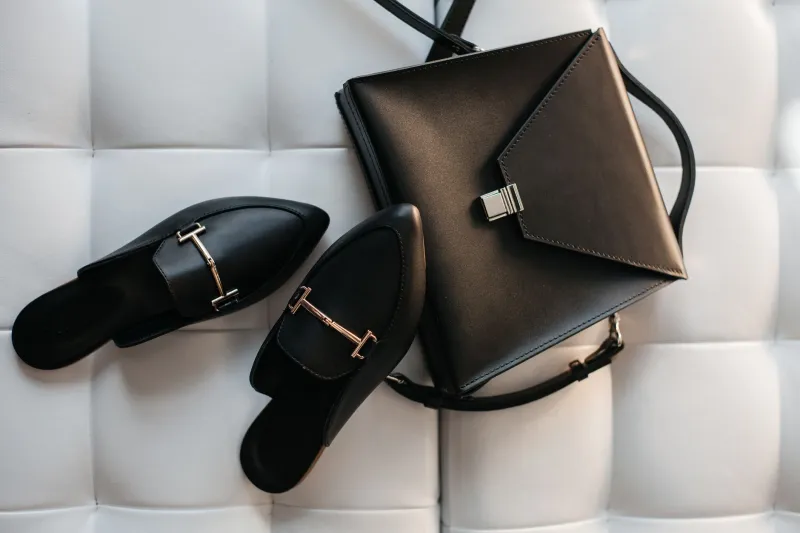
This distinction matters practically. A Saint Laurent Lou bag in noir smooth leather will integrate into virtually any wardrobe configuration, across any season, for as long as the owner chooses to carry it. The same silhouette in a season-specific statement color may feel exhilarating in the moment of purchase but demand more deliberate styling as the trend landscape shifts.
The Enduring Architecture of Saint Laurent Neutrals
No discussion of Saint Laurent color investment is complete without a serious examination of the house's neutral offerings, which represent some of the most consistently valuable choices a buyer can make. Black, in its various leather expressions — smooth, grained, matelassé — remains the most universally applicable color in the Saint Laurent catalog. It is not, however, the only neutral worth considering.
Camel and warm tan have demonstrated remarkable staying power across multiple Saint Laurent collections, functioning as sophisticated alternatives to black that introduce warmth without introducing trend risk. These tones pair naturally with the earth-toned wardrobes favored by American consumers across seasons — denim, cream, olive, and brown all find an easy partner in a camel Sac de Jour or a tan-toned Loulou.
Off-white and cream represent a more considered neutral choice. They require attentive care and are less forgiving of daily wear, but they carry a particular elegance that darker neutrals cannot replicate. For buyers in warmer American markets — Southern California, South Florida, the Gulf Coast — a cream or ivory Saint Laurent piece can serve as a year-round anchor in ways that might feel less intuitive in colder climates.
Reading Trend Colors: When to Commit and When to Wait
Saint Laurent's more declarative seasonal colors — the ones that appear prominently in runway coverage and generate immediate social conversation — deserve a more measured approach. The central question when evaluating a trend color is not whether it is beautiful. Most are. The question is whether the color has the structural depth to remain relevant beyond the cultural moment that produced it.
Consider how certain colors have performed over time. The deep jewel tones — sapphire, ruby, emerald — that Saint Laurent periodically introduces tend to age well because they align with a classical luxury vocabulary that transcends trend cycles. A rich burgundy or deep forest green carries historical resonance that continues to feel appropriate long after the specific season that introduced it.
Bright, saturated contemporary colors — neon adjacents, highly specific trend-driven shades — require more caution. These hues are often the most photographed and most immediately desirable, but their cultural half-life can be shorter. Buyers who are drawn to these colors should consider whether the piece will integrate into their wardrobe in three years as naturally as it does today.
Skin Tone Compatibility: A Personal Filter for Color Selection
Beyond trend analysis, the most personal variable in any color decision is complexion. Saint Laurent's palette, fortunately, is broad enough to offer strong options across the full spectrum of skin tones, but understanding which shades are most flattering to your particular complexion allows you to purchase with greater confidence.
Warm undertones — golden, peachy, or olive complexions — are typically served well by Saint Laurent's camel, cognac, warm red, and certain shades of blush. These hues echo the warmth in the skin and create a harmonious visual relationship between bag and wearer. Cool undertones — those with pink, blue, or neutral-cool bases — often find their most flattering partners in the house's blacks, deep burgundies, navy-adjacent tones, and the cooler end of the neutral spectrum.
It is worth noting that a handbag, unlike a garment, does not sit against the skin directly. This means that skin tone compatibility, while relevant, is a softer constraint than it would be for clothing. A buyer with warm undertones can absolutely carry a cool-toned bag — the effect is simply more considered when the color relationship is harmonious.
Building a Cohesive Collection Across Color
For buyers approaching their Saint Laurent wardrobe as a long-term investment, color coherence across pieces is a meaningful consideration. A collection built around a consistent tonal logic — warm neutrals anchored by one or two carefully chosen accent colors, for instance — will feel more intentional and will offer more day-to-day versatility than an assortment of unrelated statement pieces.
A practical framework: begin with one or two strong neutrals that will carry the majority of your daily use. Add a single accent color that speaks to your personal aesthetic and integrates naturally with your existing wardrobe. Reserve seasonal or trend colors for smaller silhouettes — clutches, mini bags, belt bags — where the investment is lower and the styling commitment is lighter.
This approach allows you to engage fully with Saint Laurent's seasonal color vision without subordinating your wardrobe's long-term coherence to any single trend moment. It is, ultimately, the most sophisticated expression of what a luxury handbag collection can be: not a record of passing fashion impulses, but a curated archive of personal style.