A Season-by-Season Protocol for Preserving Your Saint Laurent Handbag's Structural Elegance
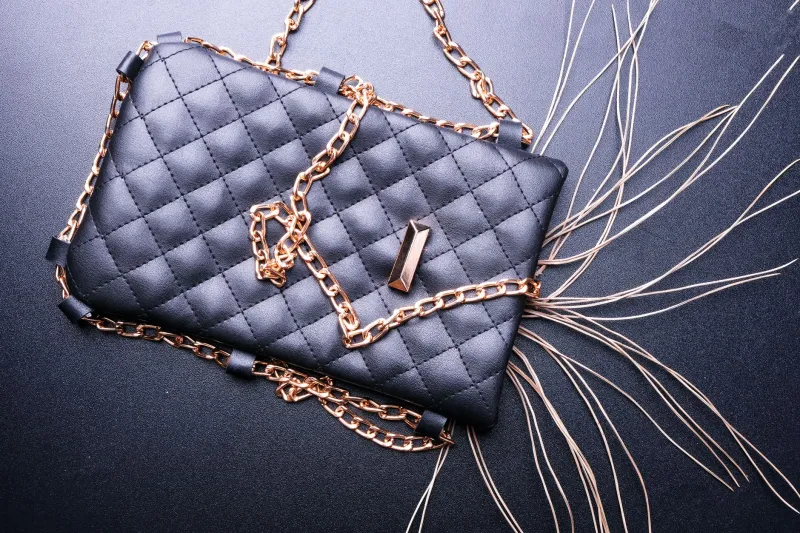
A Saint Laurent handbag is not merely an accessory. It is a confluence of architectural precision, artisanal leather selection, and decades of design philosophy — a physical object that rewards attentive ownership. Yet even the most impeccably constructed piece is subject to the relentless pressures of climate, humidity, and seasonal transition. For American collectors who carry these bags across the country's remarkably varied environments, understanding how to care for them through each season is as essential as knowing when to purchase them.
Proper maintenance is not simply about aesthetics. It is a direct expression of stewardship — one that has measurable consequences for resale value, structural longevity, and the quiet confidence that comes from carrying a bag that looks exactly as it should, year after year.
Understanding the Enemy: What Climate Does to Fine Leather
Before establishing a seasonal ritual, it is worth understanding precisely what environmental forces are working against your investment. Saint Laurent's signature leathers — grain de poudre, smooth calfskin, suede, and croc-embossed varieties — share a common vulnerability: they are organic materials that respond dynamically to moisture, heat, and aridity.
Humidity causes leather fibers to swell, increasing the risk of mold, mildew, and dye transfer. Excessive dryness, conversely, depletes the natural oils within the hide, leading to stiffness, micro-cracking, and a dulling of the surface sheen. Temperature extremes accelerate both processes. For collectors in Miami, Seattle, Phoenix, or Chicago, this means that no single care approach serves all seasons equally well.
Spring: Transitional Care and Post-Winter Assessment
As temperatures begin to climb and humidity levels rise across much of the United States, spring represents the ideal moment for a thorough inspection of any bags that spent winter in storage. Begin by removing each piece from its dust bag and examining it under natural light for any signs of moisture damage, surface cracking, or color fading that may have developed during the colder months.
For collectors in the Northeast and Pacific Northwest, where spring rainfall is persistent, this season demands particular vigilance around the bag's base corners and hardware — areas where water tends to pool and linger. Apply a leather conditioner formulated for smooth calfskin or structured leathers, working it in gently with a soft, lint-free cloth. Allow the bag to breathe overnight before returning it to use.
If your collection includes suede pieces — such as the Lou or Niki in napped finishes — spring is the time to treat them with a water-repellent spray designed specifically for suede. This creates a protective barrier ahead of the wetter months without compromising the texture's characteristic softness.
Summer: Humidity Management and Coastal Considerations
Summer presents the most complex set of challenges for Saint Laurent collectors, particularly those residing in high-humidity regions such as Florida, the Gulf Coast, or coastal Georgia. The combination of heat and moisture creates ideal conditions for mold spore development on leather surfaces — a risk that escalates dramatically when bags are stored in non-climate-controlled environments.
The single most effective summer precaution is climate-controlled storage. If a dedicated humidity-regulated closet or storage cabinet is not available, silica gel packets placed inside dust bags will absorb excess moisture and help maintain a stable microenvironment. Replace these packets monthly throughout the summer season.
For daily-use bags, avoid placing them on floors, car seats, or outdoor surfaces during hot months — heat transfer from these surfaces can distort the bag's structured base. Additionally, perspiration from hands and arms carries salt and oils that gradually degrade leather over time; a light wipe-down with a barely dampened cloth after use in warm conditions is a simple but meaningful habit.
In arid summer climates — the Southwest, the Intermountain West — the concern shifts from moisture excess to moisture deprivation. Leather in Phoenix or Las Vegas can lose its suppleness within a single season if left unconditioned. A monthly application of a high-quality leather conditioner throughout the summer months is non-negotiable for collectors in these regions.
Autumn: The Preparation Window
Autumn is, in many respects, the most forgiving season for Saint Laurent leather — moderate temperatures and stable humidity levels across much of the country create ideal conditions for both use and maintenance. However, it is also the critical preparation window before winter's more demanding conditions arrive.
Use this season to perform a comprehensive cleaning of all frequently used pieces. A leather cleaner applied with a soft cloth will lift accumulated surface oils, light scuffs, and environmental residue without stripping the leather's natural finish. Follow immediately with a conditioner to replenish what the cleaning process removes.
Autumn is also the appropriate time to address any hardware tarnish that accumulated over summer. Saint Laurent's gold and silver-tone hardware responds well to gentle polishing with a microfiber cloth; avoid chemical-based metal cleaners, which can damage the surrounding leather stitching and any embossed detailing near closures.
For collectors who rotate their bags seasonally, autumn is the moment to properly prepare summer pieces for storage: clean, condition, stuff loosely with acid-free tissue paper to maintain shape, and seal in a breathable dust bag — never plastic, which traps moisture.
Winter: Cold Storage and Structural Preservation
Winter introduces two primary threats to Saint Laurent leather: cold temperatures, which cause leather to contract and become brittle, and the dry indoor air created by central heating systems, which mimics desert-level aridity inside otherwise temperate homes.
Bags stored in cold environments — unheated closets, garages, or storage units — should be brought to room temperature gradually before use. Rapid temperature shifts cause the leather to expand and contract unevenly, stressing seams and structural panels. This is particularly relevant for the Sac de Jour and other boxy silhouettes, where the integrity of the frame is central to the bag's aesthetic.
Indoor heating, meanwhile, demands a more frequent conditioning schedule. In winter months, apply conditioner every three to four weeks rather than monthly. Pay special attention to areas of flex — the flap hinge on the Kate, the gusset panels of the Loulou — where repeated movement combined with dryness accelerates surface wear.
For those in snowy regions, salt and chemical de-icers pose a serious risk to leather bases. If a bag comes into contact with salted surfaces, address it immediately: blot the affected area with a clean, barely damp cloth, allow it to dry naturally, and follow with conditioner once fully dry. Never apply heat to accelerate drying.
The Collector's Foundational Toolkit
Regardless of season or geography, a well-maintained Saint Laurent collection requires a consistent set of quality tools. A pH-balanced leather cleaner, a nourishing conditioner appropriate for smooth and structured leathers, a dedicated suede brush and protective spray, acid-free tissue paper for stuffing, and breathable dust bags form the foundation of any serious care regimen.
Beyond products, the most valuable instrument in a collector's maintenance practice is attention — the habit of examining each piece regularly, noting changes in surface texture or color, and responding before minor issues compound into irreversible damage.
Saint Laurent's craftsmanship is built to endure. With the right seasonal protocols in place, so is your collection.