Dressing the Future: A Collector's Guide to Leaving Saint Laurent Handbags as a Living Legacy
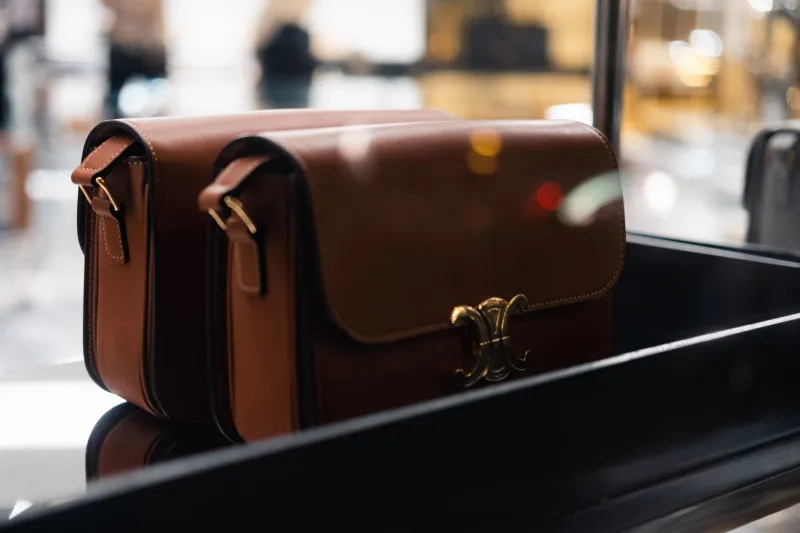
There is a particular kind of luxury that refuses to be consumed. It resists the ordinary fate of fashion — the seasonal obsolescence, the quiet retirement to the back of a closet — and instead accumulates meaning with every passing year. Saint Laurent handbags, at their finest, belong to this category. They are objects that carry biography: the scuff earned at a gallery opening in Manhattan, the patina that deepened over a decade of considered use. For a growing cohort of American collectors, the question is no longer simply which bag to acquire, but who will carry it next.
Legacy planning for luxury goods has long been practiced in European aristocratic circles, yet it is increasingly relevant to affluent American families who have built significant handbag collections over the past two decades. The Saint Laurent portfolio, with its combination of rigorous craftsmanship, architectural clarity, and cultural prestige, is particularly well suited to intergenerational transfer — provided the process is approached with the same intentionality that governed the original purchase.
Selecting for Longevity: Which Pieces Carry Across Generations
Not every Saint Laurent handbag is equally suited to becoming a family heirloom. The selection process requires a frank assessment of design durability — the capacity of a silhouette to remain legible and desirable across shifting generational tastes.
Structured classics, such as the Sac de Jour and the Kate, have demonstrated a remarkable resistance to trend fatigue. Their proportions are grounded in geometric principles rather than seasonal whimsy, which means a bag purchased in 2012 reads with equal authority in 2025. Hardware in brushed gold or antique silver ages gracefully, developing a warmth that newly minted finishes cannot replicate. Neutral leathers — cognac, black, ivory, and deep burgundy — age with considerably more dignity than statement colors tied to a specific cultural moment.
Conversely, pieces whose appeal is rooted in a particular trend cycle — exaggerated proportions, novelty materials, or heavily logoed surfaces — carry greater risk of feeling dated by the time they reach a second owner. This does not render them unworthy of collection, but it does suggest they may be better suited to sale on the secondary market than to bequest.
The Emotional Architecture of a Handbag Inheritance
A Saint Laurent bag passed between generations carries more than monetary value. It carries the memory of the person who chose it. This emotional dimension is, paradoxically, both its greatest strength and the source of its most delicate complications.
Recipients who did not participate in the original acquisition may feel the weight of expectation: the sense that they must use, display, or care for an object in a manner consistent with the original owner's relationship to it. Clear communication between generations — ideally before any formal transfer — can dissolve much of this tension. Collectors are encouraged to document not only the provenance of each piece, but the personal context of its acquisition: where it was purchased, what occasion it marked, and what it meant to its first owner.
This kind of narrative documentation transforms a luxury good into something far more resonant. A handwritten card, a photograph, or even a brief recorded conversation accompanying the bag gives the recipient a story to carry alongside the object itself.
Provenance Documentation: Building a Paper Trail That Protects Value
From a purely financial standpoint, the integrity of an heirloom Saint Laurent bag depends heavily on its documented history. Collectors who have retained original receipts, certificates of authenticity, dust bags, and original boxes are transferring significantly more than leather and hardware — they are transferring verifiable provenance, which commands a material premium on the secondary market should the recipient ever choose to sell.
For pieces acquired before rigorous documentation became standard practice, there are still meaningful steps available. Professional authentication services can issue condition reports and authenticity letters that establish a baseline record. High-resolution photography of hardware stamps, serial numbers, stitching, and interior markings should be archived in a secure digital format and, ideally, in printed form as well. A dedicated legacy binder — organized by piece, including purchase history, service records, and authentication documents — is a practical and elegant solution that many serious collectors have already adopted.
Estate attorneys who specialize in high-net-worth personal property can also advise on how to formally include a handbag collection in a will or trust, ensuring that the transfer is legally unambiguous and that any applicable tax considerations are addressed in advance.
Restoration Ethics: When to Intervene, and When to Preserve
One of the most nuanced questions in heirloom planning concerns the condition of the bag at the time of transfer. Should a collector restore a beloved piece before passing it on, or preserve it in its current, lived-in state?
The answer depends on the nature of the wear and the intended relationship between the recipient and the object. Structural repairs — resoling a base, re-stitching a compromised seam, replacing a broken clasp — are generally advisable, as they ensure the bag remains functional and prevent further deterioration. These interventions preserve integrity without erasing history.
Cosmetic restoration is a more complex matter. Deep conditioning and cleaning by a reputable luxury leather specialist can revive a neglected bag without altering its essential character. However, aggressive color restoration or hardware re-plating can diminish the patina that gives an aged Saint Laurent piece its particular beauty and, in some cases, its collector value. The guiding principle should be conservation rather than transformation: restore what is broken, preserve what is merely worn.
It is worth consulting with a specialist who has specific experience with Saint Laurent leathers before committing to any restoration process. The calfskin used in certain Sac de Jour constructions, for instance, responds differently to treatment than the grained leather of a Lou camera bag, and an uninformed intervention can cause irreversible damage.
Preparing the Next Generation to Receive What You Are Giving
Perhaps the most overlooked dimension of handbag legacy planning is preparation. A recipient who understands the care requirements, cultural significance, and market value of what they are inheriting is far better positioned to honor the gift — whether that means wearing it regularly, storing it correctly, or eventually making an informed decision to sell.
Consider introducing the next generation to your collection before any formal transfer occurs. Allow them to hold the bags, learn their names and histories, and develop their own relationship with the objects. If a particular piece does not resonate with a potential heir, it is far better to discover this early and redirect the bequest accordingly than to saddle an indifferent recipient with an object they feel obligated to keep but will never truly cherish.
Saint Laurent, as a house, has always understood that its greatest creations are not finished at the moment of sale. They continue to evolve in the hands of their owners, absorbing experience and reflecting it back. A bag passed with intention — documented, restored with care, and accompanied by its full human story — does not merely change hands. It begins an entirely new chapter, carrying the soul of its first life into the next.