Cataloging the Collection: How Serious Saint Laurent Collectors Are Turning Inventory Into Legacy
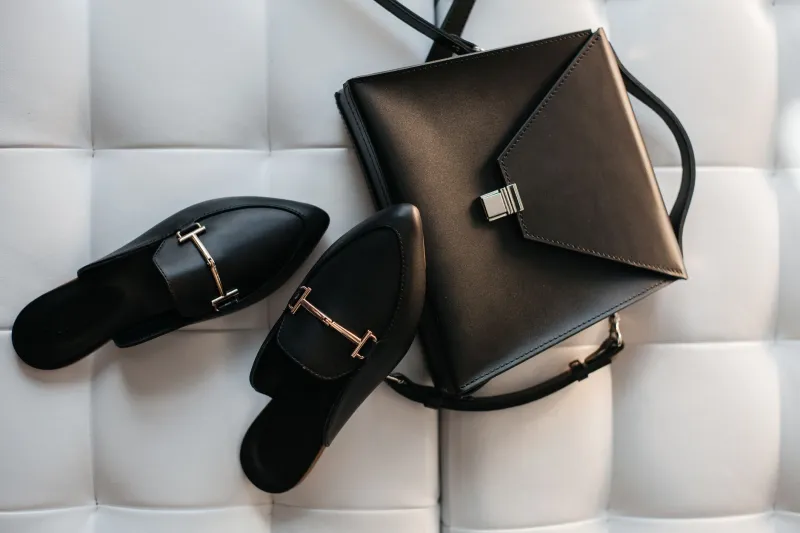
There is a particular kind of collector who understands that ownership is only the beginning. The Saint Laurent handbag sitting on a shelf in a climate-controlled closet in Manhattan or Beverly Hills is not simply a possession—it is an asset, an artifact, and, in many cases, a piece of fashion history. Yet for all the care taken in acquiring these objects, a surprising number of collectors have never formally documented what they own.
That is beginning to change. Across the United States, a growing cohort of high-net-worth individuals, fashion professionals, and dedicated Saint Laurent enthusiasts are embracing the practice of collection cataloging with the same rigor previously reserved for fine art and jewelry. The result is something more nuanced than a simple insurance spreadsheet: it is a living archive that captures provenance, condition, market valuation, and personal history in equal measure.
The Financial Case for Documentation
Insurance professionals who specialize in luxury goods have long advocated for detailed personal property inventories, yet the fashion world has been slow to adopt the practice with any consistency. A Saint Laurent Lou Camera Bag purchased three seasons ago may have appreciated meaningfully on the secondary market, but without documentation—receipts, photographs, condition notes—that appreciation is difficult to substantiate in the event of loss, theft, or damage.
Standard homeowner's and renter's insurance policies in the United States routinely cap personal property claims at figures that bear little resemblance to the actual replacement cost of a serious handbag collection. Scheduling individual pieces as fine art or jewelry—a process that requires appraisals and photographic evidence—is the mechanism by which collectors ensure that a $4,500 Loulou bag is replaced at its current market value rather than a depreciated estimate.
The documentation required for proper scheduling is, in itself, an exercise in understanding what you own. Serial numbers, date-of-purchase records, original receipts, and photographs capturing hardware finish, stitching condition, and leather patina all contribute to a file that serves collectors far beyond the insurance context.
Professional Photography as Curatorial Practice
What has elevated this process from administrative task to something approaching an art form is the increasing involvement of professional photographers. Fashion editors and stylists—professionals accustomed to directing image-making—have been among the first to approach their personal collections with the same visual intention they bring to editorial shoots.
The results are striking. Rather than quick smartphone snapshots taken under fluorescent lighting, these documentation sessions treat each bag as a subject worthy of considered composition. Lighting is calibrated to reveal the true character of the leather—the way Grained Calfskin catches directional light differently than smooth lambskin, or how aged Matelassé develops a dimensional quality that flat photography cannot capture. Hardware is photographed in close detail. Interior linings, often overlooked, are documented for both condition and authenticity purposes.
This approach yields imagery that serves multiple functions simultaneously. It creates a legally defensible insurance record. It provides the kind of detailed condition documentation that commands premium pricing on the secondary market when a piece is eventually sold. And it produces a visual archive that honors the collection as a whole—a record of taste, acquisition decisions, and the particular aesthetic logic that connects one Saint Laurent piece to another.
Provenance Documentation and the Meaning of Ownership History
Beyond photography, the most thorough collectors are assembling what might be called provenance dossiers for significant pieces. These files go beyond the original receipt to include the context of acquisition: where the bag was purchased, the season it was released, any notable cultural moments with which it coincided, and the personal circumstances that made it meaningful.
This may sound sentimental, but it has genuine practical value. On the secondary market, provenance documentation—particularly for limited-edition or archival pieces—can meaningfully influence resale price. A Saint Laurent bag with a clear, well-documented ownership history is easier to authenticate and easier to price with confidence. For estate purposes, provenance documentation transforms a collection from a list of items into a comprehensible narrative that heirs or estate professionals can act upon.
Fashion editors who work with archives professionally understand this instinctively. The object and its history are inseparable. A bag worn to a significant industry event, gifted by a notable figure, or acquired during a pivotal creative period carries a story that the object alone cannot tell.
The Psychology of Knowing What You Own
There is a less tangible but equally significant benefit to the cataloging process: clarity. Many collectors, even serious ones, operate with a somewhat impressionistic sense of what their collection contains. Pieces acquired impulsively, gifts received over years, bags that have migrated between storage locations—the aggregate can become difficult to hold in mind with any precision.
The act of photographing and documenting each piece forces a reckoning. It reveals redundancies—three bags in nearly identical proportions that serve the same wardrobe function. It surfaces forgotten acquisitions that, once properly examined, are either more or less valuable than memory suggested. It creates the conditions for intentional decision-making about what to retain, what to consign, and what to pursue next.
Collectors who have undergone this process frequently describe it as clarifying in a way that extends beyond the collection itself. Understanding the full scope of what one owns, and why, tends to produce more deliberate future acquisitions. The impulse purchase becomes harder to justify when it must eventually take its place in a documented archive.
Building Your Own Collection Archive
For collectors ready to undertake this process, a few principles are worth establishing at the outset. First, consistency matters more than perfection. A systematic approach—same background, same lighting setup, same sequence of photographs for each piece—produces a more useful archive than a collection of stylistically varied images, however beautiful the latter might be.
Second, the documentation should be stored redundantly. Cloud backup, a physical drive, and a copy held by an insurance agent or estate attorney represents a reasonable standard for a collection of meaningful value. Digital files stored only on a single device are vulnerable in precisely the scenarios where documentation matters most.
Third, the archive should be treated as a living document. Condition changes, market valuations, and new acquisitions all warrant updates. A cataloging session conducted once and never revisited offers partial protection at best.
Finally, consider engaging a professional appraiser who specializes in luxury goods for pieces of significant value. Self-documentation is a valuable foundation, but formal appraisal from a credentialed professional carries weight in insurance claims and estate proceedings that personal records alone cannot replicate.
The Collection as a Considered Object
What the most thoughtful collectors understand is that a Saint Laurent handbag collection, properly documented, becomes something greater than the sum of its parts. It becomes a record of decisions made over time—of taste refined, of values expressed through acquisition, of a relationship with a house whose design philosophy has shaped American luxury for decades.
That record deserves to be kept with care. The photography, the provenance files, the insurance schedules—these are not bureaucratic obligations. They are the means by which a collection is truly known, and by which it is preserved for whatever comes next.